Industry updates & technical guides about clear plastic boxes and UV printing. Learn packaging produ
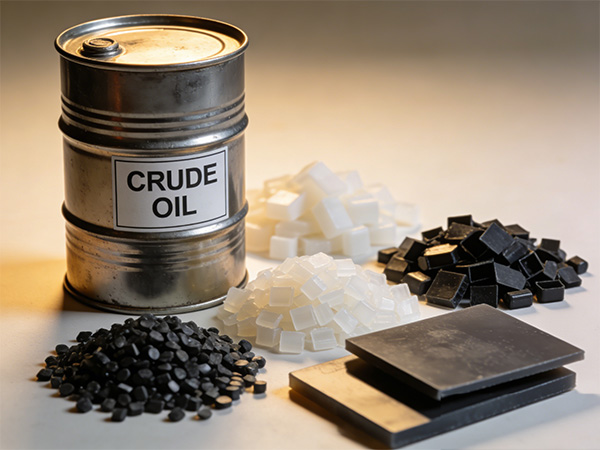
Recently, the PET film market has seen a sustained price surge over several days. Driven by soaring crude oil prices amid geopolitical conflicts in the Middle East, the costs of core raw materials—PTA and MEG—have increased sharply, pushing PET film quotations steadily higher. Some spot prices have approached 9,000 yuan per ton, with the uptrend unlikely to ease in the short term.
Nevertheless, many downstream film processing and end-user enterprises are facing a dilemma. To retain customers and maintain market share, they have no choice but to absorb mounting cost pressures and keep product prices unchanged, triggering a series of operational survival challenges. Raw materials account for more than 65% of PET film production costs. Continuous hikes in feedstock prices have drastically squeezed profit margins, pushing the gross profit rates of some small and medium-sized enterprises close to negative territory.
In an effort to control costs, companies are forced to scale back production, lower capacity utilization rates, and even suspend certain low-end orders, resulting in idle production capacity and lost business. Meanwhile, tight raw material supply and extreme price volatility have sharply increased procurement risks. Enterprises fear both losses from stockpiling at high prices and delivery disruptions from material shortages. As a result, some firms have adopted cash-before-delivery terms and declined long-term orders.
Furthermore, the gap between stagnant product prices and skyrocketing raw material costs has intensified cash flow pressure, forcing cuts in R&D investment and hindering long-term development. At present, downstream enterprises can only respond passively and urgently need relief from rising raw material costs to secure sustainable operations.