Industry updates & technical guides about clear plastic boxes and UV printing. Learn packaging produ
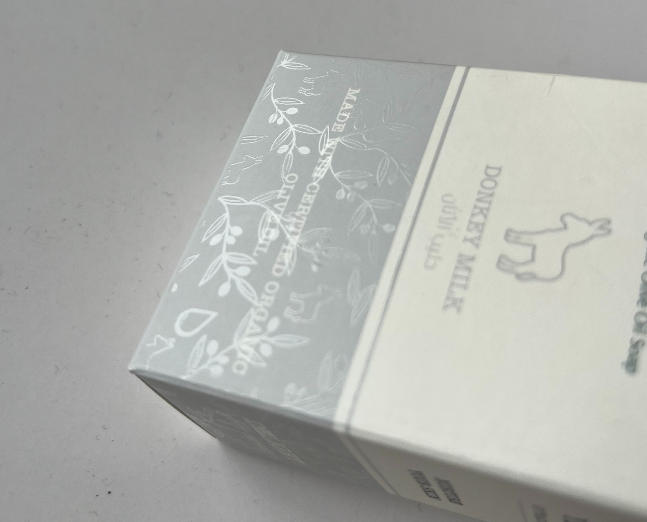
Spot UV applies UV-curable varnish to specific areas of a carton, generating a purposeful tension between glossy highlights and matte backgrounds. This contrast is not merely visual—it engages touch and attention, turning a silent package into something that actively competes for a second look.
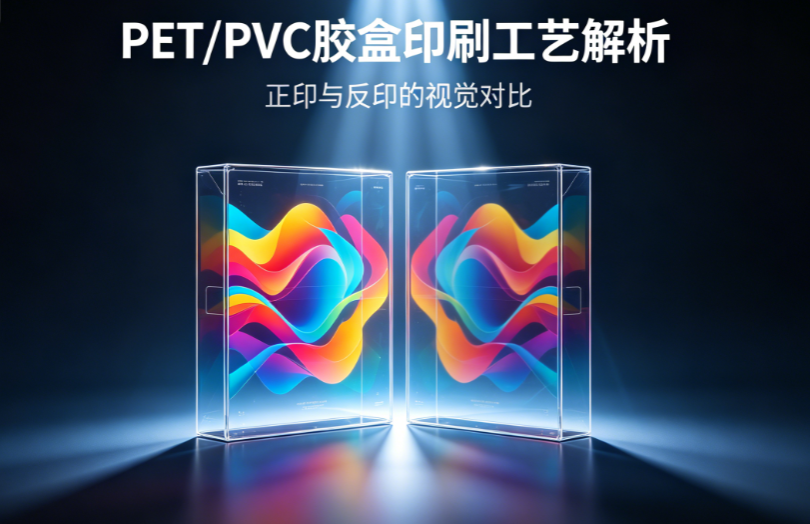
In the realm of transparent packaging, the distinction between "front printing" and "reverse printing" is not merely technical—it is the difference between a disposable container and a brand statement. This article dissects the structural nuances, aesthetic potentials, and durability factors of printing on PET and PVC substrates. We explore how front printing, when paired with advanced post-processing like Reverse UV, creates a fortress of luxury, while reverse printing offers a pragmatic, cost-effective shield for mass-market goods. By decoding these processes, brands can make informed decisions that balance visual impact with fiscal responsibility.
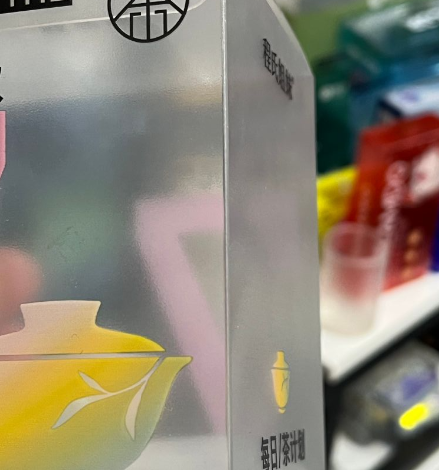
Two mainstream matte finishes for clear plastic boxes are factory matte film and printed UV matte varnish. Integrated film delivers uniform stable matte surface, while UV coating supports custom spot matte patterns. They differ greatly in MOQ, light transmittance, cost & export eco standards.
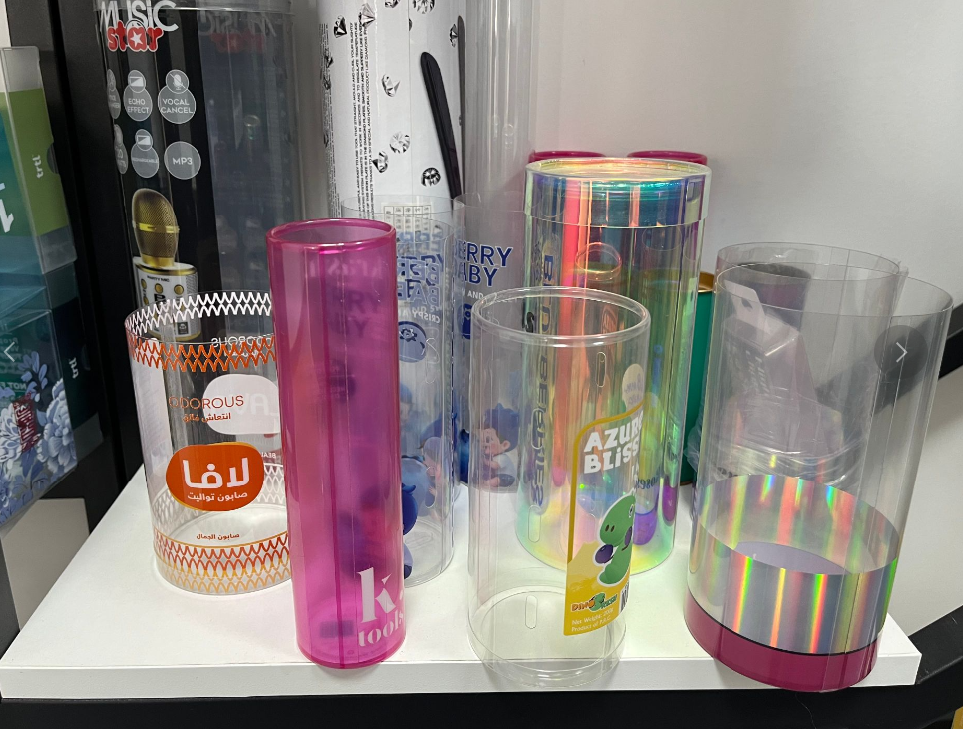
Transparent film cylinders feature 4 rim styles: flat cut, inner roll, outer flange and double roll. Tube bodies are made by glue bonding or RF welding. Four matching lids including blister, crimped paper, injection and metal lids vary greatly in grade, cost and material suitability for flexible combinations.
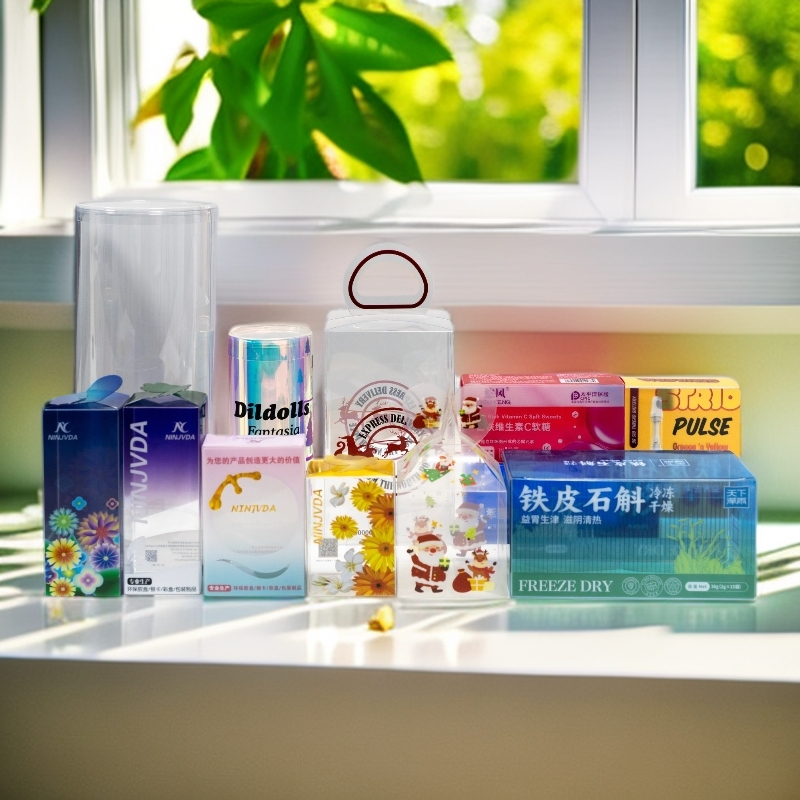
PVC and PET are both transparent thermoplastics for folding boxes with identical printing & forming processes, but differ greatly in eco-safety, heat resistance and texture. PVC dominated the market decades ago, so all clear plastic boxes are habitually called PVC boxes as a general term.
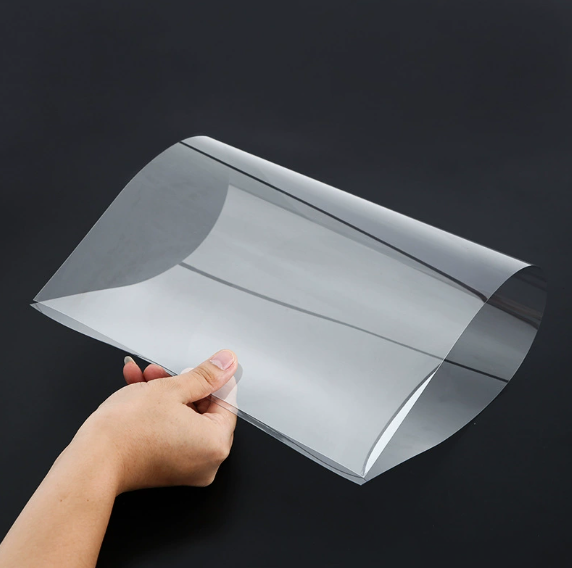
This article introduces definition, working principle, types and dosage of anti-scratch agent and slip agent for PET, APET, PVC, PP transparent plastic sheets, solving scratch, blocking and whitening issues for packaging boxes.