Industry updates & technical guides about clear plastic boxes and UV printing. Learn packaging produ
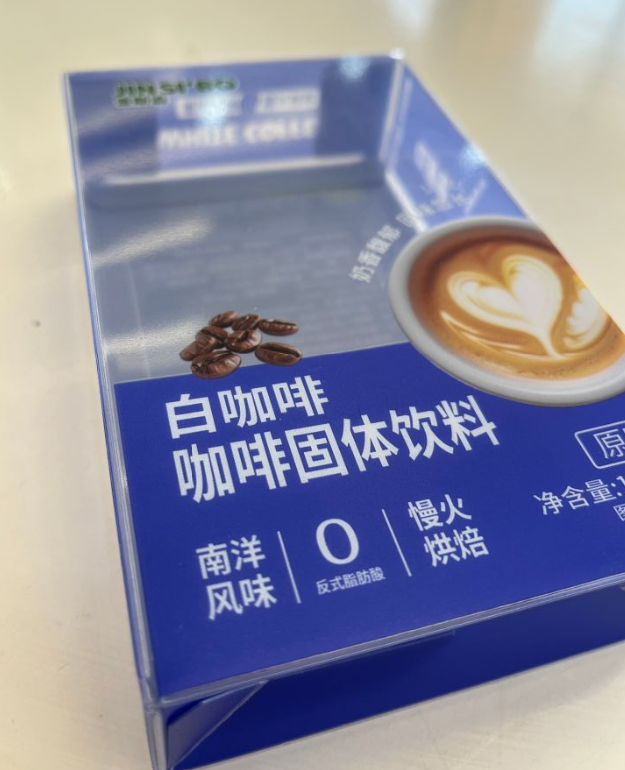
When light refracts through a crystal-clear PET or PVC box, revealing the product within, it is a moment of engineered serendipity. However, for packaging designers and brand managers, the clarity of that vision depends on a critical technical decision: how the image is applied to the film.
The choice between Front Printing (Surface Printing) and Reverse Printing (Substrate/Second Surface Printing) is not just about ink placement; it is a strategic decision affecting durability, cost, and the tactile psychology of the consumer. Let’s peel back the layers.
Front Printing: The Canvas for Texture and Luxury
Front printing is exactly what it sounds like: the ink is applied directly to the exterior surface of the plastic sheet. When you run your finger across the box, you are touching the ink.
The Pros: A Playground for Finishes
The primary advantage of front printing is its versatility. Because the ink sits on the surface, it is the perfect foundation for elaborate post-press effects.
Tactile Depth:It is the only viable method for Reverse UV (Nano-varnish) technology. This process creates a stunning contrast between matte and gloss textures on the same plane, giving the packaging a "soft-touch" feel and a 3D visual pop that screams luxury.
Hot Stamping Compatibility: If your design requires metallic foil stamping or embossing, front printing is superior. The ink and foil bond securely to the surface, ensuring sharp definition and durability.
Color Vibrancy: Without a layer of plastic film distorting the view, colors can appear exceptionally sharp and true to the Pantone standard.
The Cons: The Fragility Factor
However, front printing has an Achilles' heel: vulnerability. Unprotected ink on the surface is susceptible to scratching, scuffing, and fingerprinting during transit. To mitigate this, a scratch-resistant varnish (anti-scratch oil) is mandatory. Without this protective "armor," a premium box can look damaged before it even reaches the shelf.
Reverse Printing: The Pragmatic Shield
Reverse printing flips the script—literally. The image is printed in mirror image on the *inside* of the plastic sheet. The consumer views the artwork *through* the thickness of the PET or PVC material.
The Pros: Built-in Armor
The genius of reverse printing lies in its passive defense.
Inherent Scratch Resistance: Because the ink is sandwiched between the product and the outer plastic layer, it is physically impossible to scratch the print during handling. The outer surface remains pristine plastic.
Gloss Enhancement: The plastic substrate acts as a natural lens, often making the colors appear deeper and glossier without the need for additional lamination.
Cost Efficiency: By eliminating the need for expensive scratch-resistant varnishes or complex UV coating processes, reverse printing is often the more economical choice for high-volume runs.
The Cons: Limitations in Finish
It is not without trade-offs. The visual effect is flatter; you lose the ability to create textured contrasts like the "sand vs. gloss" effect of Reverse UV. Furthermore, hot stamping on the reverse side is technically difficult and prone to peeling, limiting the design's ability to incorporate metallic accents.
The Verdict: How to Choose?
The decision matrix ultimately rests on the intersection of Budget, Aesthetics, and Function
Choose Front Printing if:
You are selling Luxury:For cosmetics, high-end electronics, or gift sets, the tactile experience is part of the product. The ability to use Reverse UV or embossing justifies the higher cost.
Design Complexity: Your artwork relies on complex textures or specific matte/gloss contrasts.
Protection is Key: You are willing to invest in high-quality scratch-resistant varnish to ensure the box survives the supply chain looking flawless.
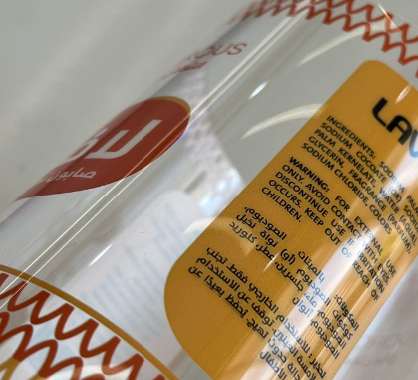
Choose Reverse Printing if:
Volume is King: You are producing mass-market items (like toys or stationery) where unit cost is a primary driver.
Durability is Priority: The packaging will undergo rough handling, and you need the print to remain untouched by human fingers.
Simplicity: Your design is graphic and bold, requiring high gloss but not complex textures.
In the high-stakes world of retail, packaging is the silent salesman. Whether you choose the rugged practicality of reverse printing or the textured opulence of front printing, understanding these mechanisms ensures your product doesn't just sit on the shelf—it stands out.