Industry updates & technical guides about clear plastic boxes and UV printing. Learn packaging produ
Transparent film cylinders are produced from PVC, PET, PETG and APET sheets. The whole production system covers three core modules: tube rim finishing, tube body forming bonding and sealing lids.There are 4 standard rim processes, 2 mainstream bonding methods for tube bodies, and 4 categories of matching lids: blister lid, crimped paper lid, injection molded cap and metal lid. Detailed explanations are as follows:
Part 1: Four Types of Tube Rim Finishing
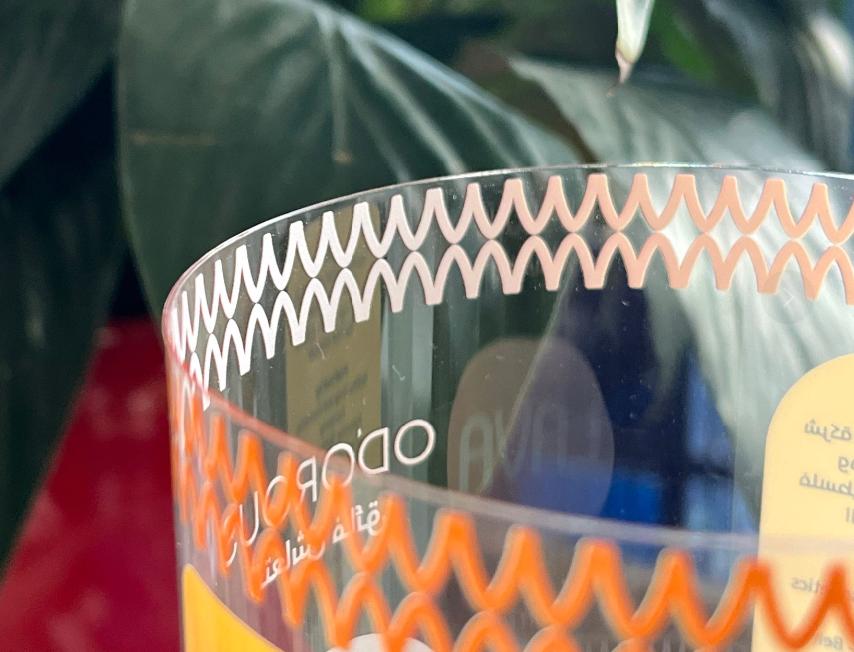
1. Flat Cut Edge (No Rolling Treatment)
Process: The tube opening is directly cut without thermal rolling, leaving sharp straight edges.Advantages: Consistent inner diameter without occupying internal space; bottles and rigid products stay stable inside; few production steps with the lowest processing cost.Disadvantages: Sharp edges may sc
ratch hands and matching lids; plain low-end look, mostly used for disposable cheap packaging.Application: Low-cost domestic simple cylinders, packaging without dedicated lids, cylinders for regular rigid products.
2. Single Inner Rolled Rim (Most Widely Used)
Process: Heat and press the tube edge inward to form a rounded fold hidden inside the cylinder wall.Advantages: Burr-free outer surface to prevent scratches; well fitted with most paper lids and thin matching caps for tight sealing; mature mass production with cost-performance balance, adopted by 80% regular cylinder orders in the market.Disadvantages: Inner rolling slightly reduces the inner diameter, leaving limited space for oversized products.Application: Cosmetic, toy, gift and general food transparent cylinders.
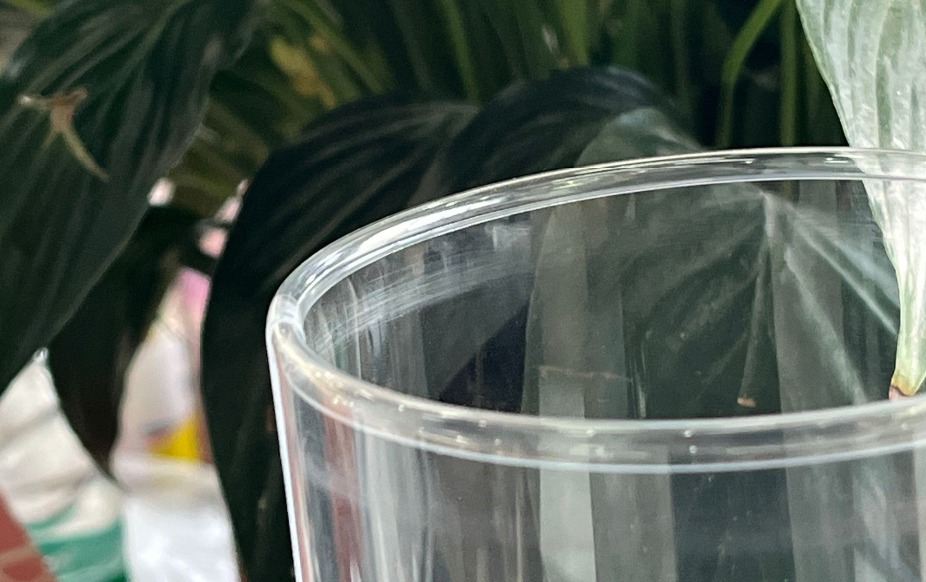
3. Single Outer Flanged Rim (Flared Horn Mouth)
Process: Thermally roll the tube edge outward to form a protruding circular flange, creating a slight horn-shaped opening.Advantages: Enlarged outer diameter enables smooth assembly and removal of lids; outer rounded flange creates strong 3D texture to upgrade packaging grade.Disadvantages: Outward protruding rims are easy to dent during stacking; more material consumption leads to higher cost than inner rolled rims.Application: High-end gift cylinders requiring frequent lid opening and fitted with large outer caps.
4. Double Rolled Edge (Thickened Dual-Layer Rim)
Process: Fold the tube edge inward first, then roll a second layer outward to form a thick double-layer rounded rim.Advantages: Greatly reinforced rim with excellent compression and drop resistance, no deformation during long-distance stacked shipment; raw cut edges fully wrapped for ultra-smooth touch, standard for luxury gift boxes.Disadvantages: Double thermal rolling doubles working hours and cost; maximum reduction of inner usable diameter.Application: Tea, wine, luxury gifts and export cylinders with strict quality standards.
Custom Variant: Wide Flange Rolled RimWider rolling width based on single inner/outer roll to fit snap caps and metal lids. It belongs to customized derivative process instead of an independent standard rim style.
Part 2: Two Tube Body Bonding Methods – Glue Bonding & RF High-Frequency Welding
1. Glue Bonding (Solvent Adhesive / PUR Hot Melt Adhesive)
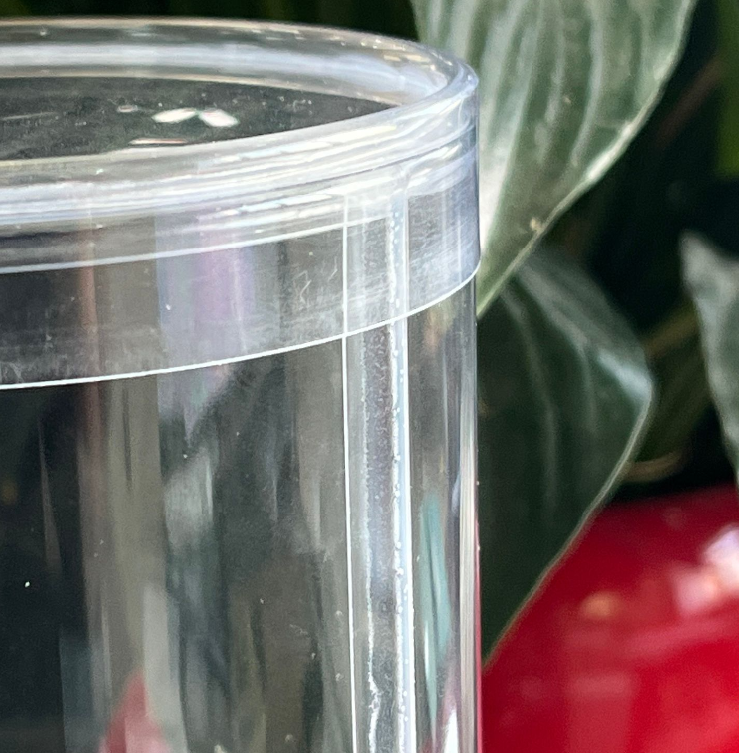
Forming Principle: Overlap two sides of the film sheet and coat special adhesive. The glue dissolves plastic surface and solidifies after air drying to bond the tube body.Material Compatibility: Fully compatible with PVC; PET requires dedicated PET glue, while ordinary adhesive easily causes peeling.Advantages: Low equipment investment, flexible sampling for small batches, unlimited tube size and low unit price.Disadvantages: Volatile glue odor fails food-grade and EU export standards; raised glue lines leave obvious marks; easy delamination under high-temperature storage with poor waterproof performance.Application: Low-budget domestic PVC simple cylinders and short-cycle small-batch orders.
2. RF High-Frequency Welding (Dielectric Heat Sealing)
Forming Principle: High-frequency electromagnetic field generates friction heat inside polar PVC molecules. Overlapped plastic edges melt and fuse into an integrated seam without any adhesive.Material Compatibility: Only applicable to PVC and PETG sheets; ordinary APET/PET cannot be processed by RF welding.Advantages: Glue-free and odor-free, complying with international export environmental standards; flat transparent weld without glue marks, high bonding tensile strength and waterproof sealing; fast mass production with premium neat appearance.Disadvantages: High equipment procurement cost, only suitable for PVC material, limited maximum tube size and higher unit processing fee than glue bonding.Application: Export cosmetic & food PVC cylinders and high-end packaging for long-term storage and transportation.
Part 3: Four Supporting Lid Types for Cylinders (Blister Lid / Crimped Paper Lid / Injection Cap / Metal Lid)
1. Blister Lid
Material: Integrally stamped thin transparent plastic sheet of PVC or PET.Matching Tube Rim: Flat cut edge and single inner rolled rim.Advantages: Low price, high transparency for product display, low MOQ and fast sampling.Disadvantages: Soft texture with poor load-bearing capacity, easy to deform under pressure and average sealing performance, only suitable for short-term packaging.Application: Low-priced toys, small ornaments and disposable simple gift cylinders.
2. Crimped Paper Lid
Material: Laminated cardboard or thin iron composite crimped lids, divided into paper crimped lids and iron-ring paper lids.Matching Tube Rim: Single inner rolled rim (the mainstream matching solution in industry).Advantages: Light weight, customizable full-color printed logos, moderate cost and fast delivery.Disadvantages: Weak waterproof and moisture-proof performance, easy to soften and deform when damp, average load capacity.Application: Beauty products, snacks, stationery and regular gift cylinders, the top choice for domestic circulation packaging.
3. Injection Molded Cap
Material: Rigid solid plastic integrally injection molded from PP or ABS. Snap or threaded structures are available.Matching Tube Rim: Outer flanged horn mouth and wide inner rolled rim.Advantages: High hardness and extrusion resistance, strong sealing, reusable for repeated opening, waterproof and moisture-proof, available with matte, solid color, electroplating and other surface finishes.Disadvantages: High mold opening cost, cost-effective only for mass production with high unit cost for small orders.Application: High-end skincare products, maternal & infant goods, reusable storage cylinders and cross-border e-commerce gift boxes.
4. Metal Lid
Material: Stamped tinplate or aluminum alloy, including flat lids, screw caps and snap metal lids.Matching Tube Rim: Double rolled edge and wide outer thickened flanged rim.Advantages: Luxurious texture, compression and rust resistance, top-tier sealing performance, greatly upgrading the grade of gift sets and suitable for long-term storage.Disadvantages: Highest unit price, heavy weight increases transportation cost.Application: Tea, red wine, health supplements, luxury souvenir gifts and high-end export gift cylinders.
Complete Process Matching Selection Guide
Low-cost domestic small PVC orders: Flat cut / Inner rolled rim + Glue bonding + Blister lid / Crimped paper lid
Mass domestic beauty & gift orders: Single inner rolled rim + RF welding + Color printed crimped paper lid
Cross-border e-commerce & reusable packaging: Outer flanged horn rim + RF welding + Injection snap cap
Luxury export gift sets for wine & tea: Double thickened rolled rim + RF welding + Metal screw lid
Food-grade PET cylinders (not compatible with RF welding): Inner / Double rolled rim + Dedicated PET glue bonding + Injection cap / Metal lid