Industry updates & technical guides about clear plastic boxes and UV printing. Learn packaging produ
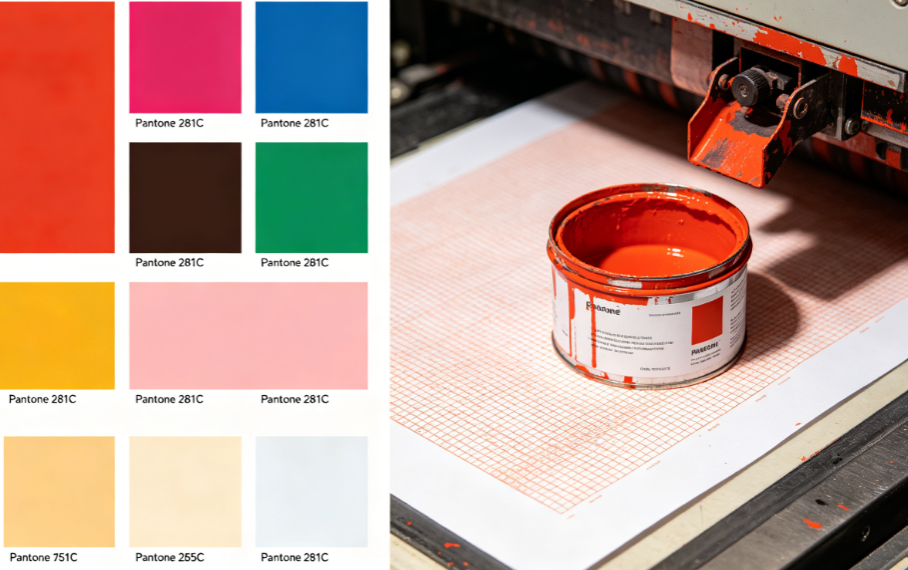
As a core professional process in the printing industry, spot color printing is widely used in brand packaging and commercial printing. This paper clearly defines the concept of spot color printing and distinguishes its working principle from traditional CMYK four-color dot printing. It expounds the necessity of spot color application from the aspects of brand color standardization, special effect presentation, high-quality solid printing and cost optimization. Meanwhile, it objectively analyzes the inherent advantages and limitations of spot color technology, and sorts out its applicable and inapplicable printing scenarios. The research provides practical and professional process selection guidance for packaging designers, printing manufacturers and industry practitioners, helping them balance printing quality, visual effect and production cost.
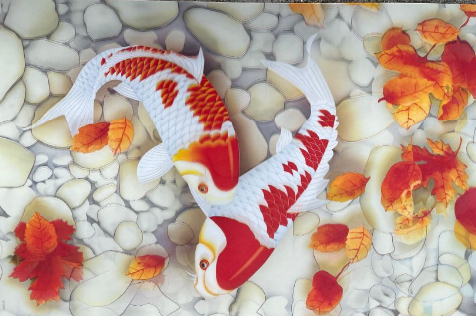
3D lenticular print achieves naked-eye stereoscopic effect through light refraction of cylindrical lenticular sheets, creating depth perception by utilizing human binocular disparity without 3D glasses. This article classifies common lenticular materials, breaks down the full process from 3D layered drawing, interlaced plate making, printing to precise lenticular lamination, and covers application scenarios and quality control standards of lenticular printing in color box packaging and creative advertising.
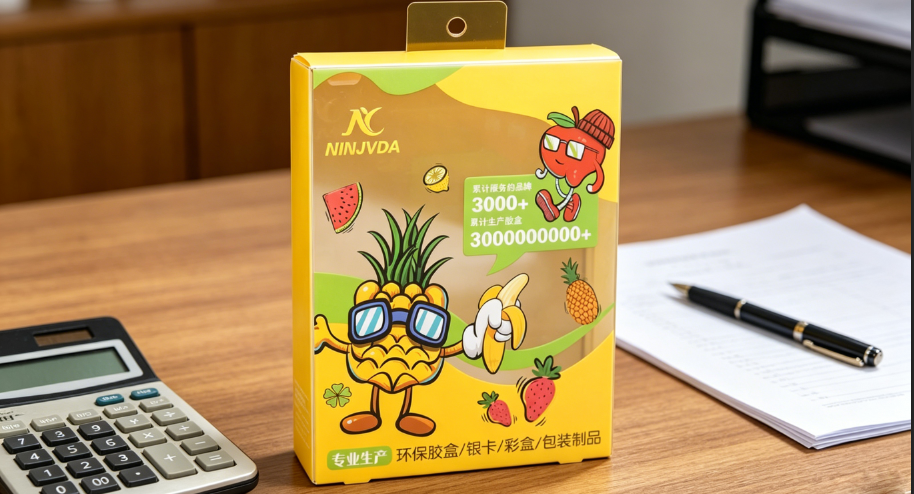
Transparent plastic box cost is calculated based on unfolded sheet area, material thickness, printing finishes, production wastage and mold cost. Different from paper boxes, PVC, PET and PP boxes require accurate area measurement plus extra charges for UV coating, hot stamping and special shaping processes. This article introduces standard factory pricing formulas and cost components to help precise quotation and cost control for plastic packaging boxes.
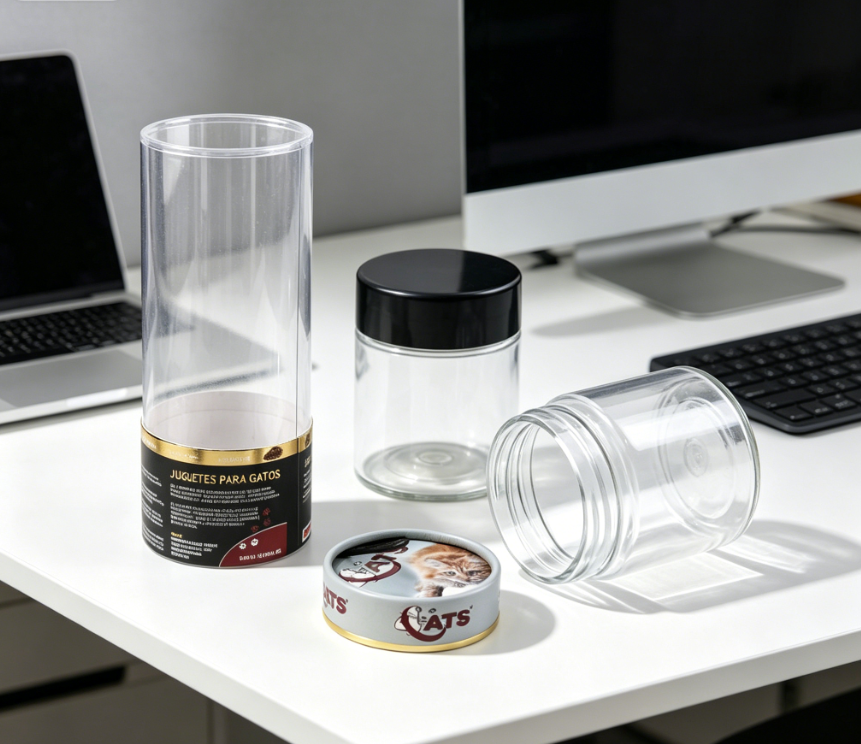
When sourcing transparent cylindrical packaging, many brands confuse two completely different products: blow-molded cylindrical jars (like the toothbrush container in the inquiry) and sheet-rolled PET cylinder packaging (core products of Shenzhen Ningjunda Packaging Technology). This article clarifies their differences across multiple dimensions to help you select the optimal packaging for your products.
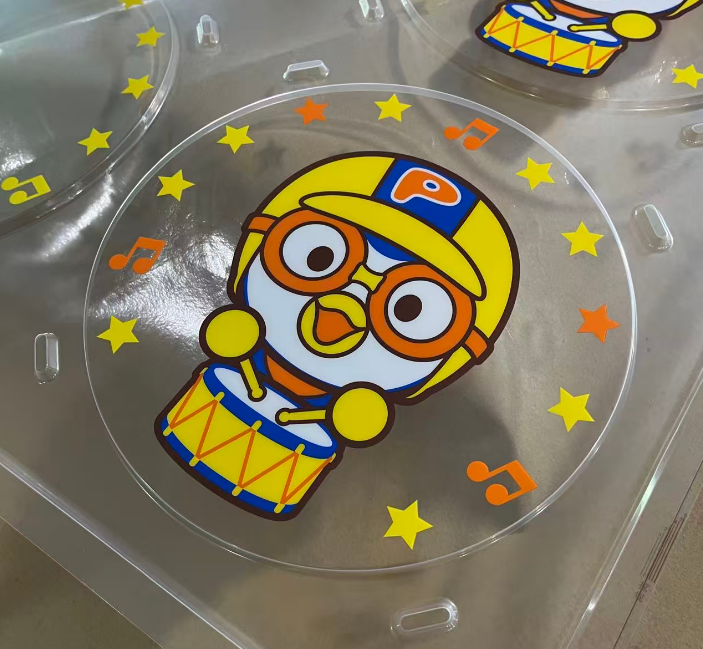
Positioning blister, also known as register blister or 3D printing blister, is a high-end integrated process of precision printing and vacuum blister forming. Different from ordinary blister that prints after molding, it prints graphics on flat sheets first with precise positioning marks and then forms the 3D structure. It realizes perfect alignment of patterns and concave-convex shapes without deformation or offset, delivering high color accuracy and stereoscopic texture for high-end packaging and cultural creative products.
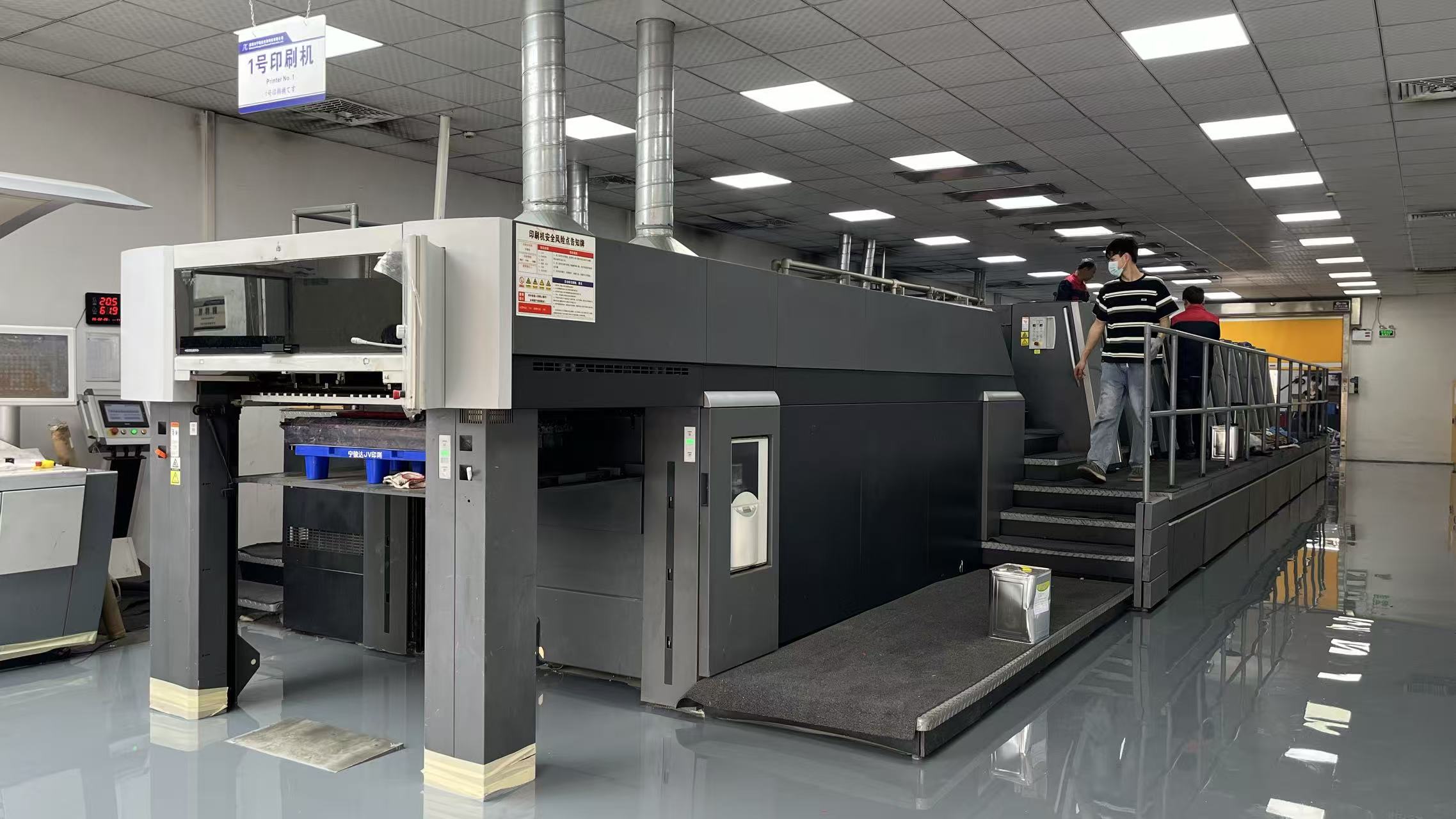
Offset printing is the mainstream traditional paper printing process with natural ink drying, stable color performance and cost advantages. UV printing adopts instant UV curing technology, compatible with more materials and delivers better texture and durability. Both processes are widely used in packaging, picture albums and paper products.