Industry updates & technical guides about clear plastic boxes and UV printing. Learn packaging produ
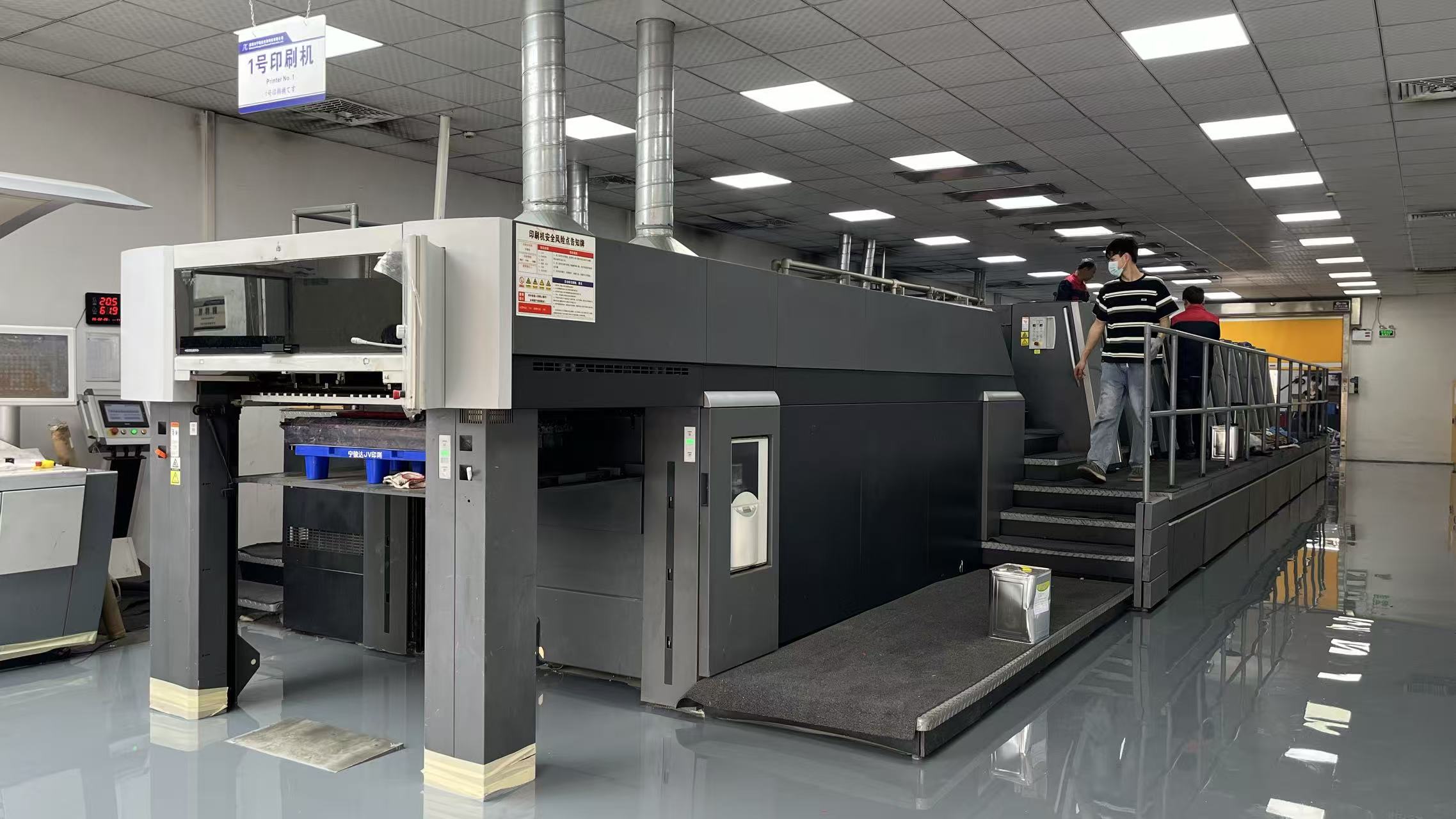
Offset printing and UV printing are the two most commonly used processes in packaging, books, commercial paper products and other printing fields. Many people are confused about their features and application scenarios. This article makes a detailed comparison between the two printing processes from working principle, drying method, applicable materials, finished effect, performance and application scope.
1. Offset Printing
Offset printing is a classic traditional process, also known as conventional printing in the industry. It transfers graphics and texts through printing plate, blanket cylinder and impression cylinder. The ink penetrates into the substrate and dries naturally after printing.
Offset printing features fine color gradation and high overprint accuracy. It is cost-effective and highly stable for mass production, making it the first choice for paper printing. Limited by natural drying, it is only suitable for ink-absorbent materials such as paper and cardboard. The finished products have ordinary gloss, and the ink is poor in scratch and water resistance. Follow-up processing cannot be carried out immediately after printing.
It is mainly applied to leaflets, picture albums, books, regular paper boxes and common labels.
2. UV Printing
UV printing is a modern process using UV ink and ultraviolet curing. It can be applied on offset presses, screen printers and digital printers. The UV ink cures instantly under UV light right after printing.
UV printing has remarkable advantages. Its fast curing enables continuous production and higher efficiency. The ink has strong adhesion, so it can be printed on paper, plastic, film, metal, glass and other non-absorbent materials. The prints have full ink layer and high gloss. Combined with partial UV and reverse UV processes, diversified matte and glossy textures can be created. In addition, UV prints are waterproof, scratch-resistant, friction-resistant and colorfast with excellent durability.
UV printing is widely used for high-end color boxes, cosmetic packaging, tobacco & wine gift boxes, premium paper bags, high-grade labels and printing on special materials.
3. Main Differences Between Offset Printing and UV Printing
Drying Method: Offset printing dries naturally; UV printing cures instantly under UV light.
Applicable Materials: Offset printing is mainly for paper; UV printing works for paper, plastic, film, metal and more substrates.
Surface Effect: Offset printing has plain gloss with single process; UV printing presents high gloss and various special surface finishes.
Durability: Ink of offset printing is easy to smudge and damage by water; UV prints are scratch-proof, waterproof and long-lasting.
Efficiency & Cost: Offset printing has low cost for mass production but requires extra drying time; UV printing has higher production efficiency with a slightly higher unit price.
4. Selection Suggestion
Choose offset printing for cost-effective and large-batch regular paper printing. Select UV printing for high-end products, special textures, non-paper substrates or immediate post-processing. The two processes can also be combined to balance cost and visual effect.