Industry updates & technical guides about clear plastic boxes and UV printing. Learn packaging produ
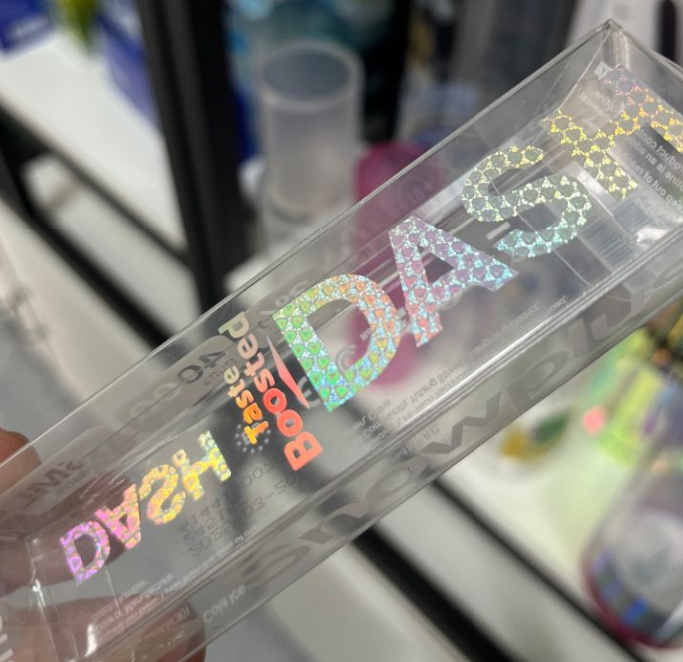
In the world of printing and packaging, there is a technique that can instantly transform ordinary paper into a luxurious, sparkling masterpiece: stamping (often generically referred to as "foil stamping" or "hot stamping").
Although the term "hot stamping" originally referred to applying a gold-colored foil, it has become an umbrella term. Whether it's the classic metallic sheen of gold, the elegant shine of silver, or the rainbow-hued reflection of laser silver, they all fall under this category. Technically, these effects are achieved through two main processes: Hot Stamping and Cold Stamping.
This article breaks down these common stamping techniques to help clarify their differences and applications.
Based on the visual effect, the three most common materials are:
Gold Foil
Features: A brilliant, warm, golden-yellow metallic luster. This is the most classic and prestigious color, often used for high-end gift boxes, liquor packaging, greeting cards, and wedding invitations. Gold creates a strong visual impact and effectively enhances a product's perceived value.
Silver Foil
Features: A noble, cool, silver-white metallic sheen. Compared to the "opulent" feel of gold, silver appears more understated, elegant, and modern. It is commonly used for cosmetic packaging, tech products, and high-end book covers.
Laser Silver Foil
Features: This is an upgraded version of silver foil. It is not just a single silver color; under light from different angles, it refracts rainbow-like colors such as red, blue, green, and yellow, offering a dynamic and anti-counterfeiting effect.
Applications: Often used for products needing to grab attention, prevent counterfeiting, or project a "cool" image, such as trading cards, anime merchandise, streetwear packaging, and security labels.
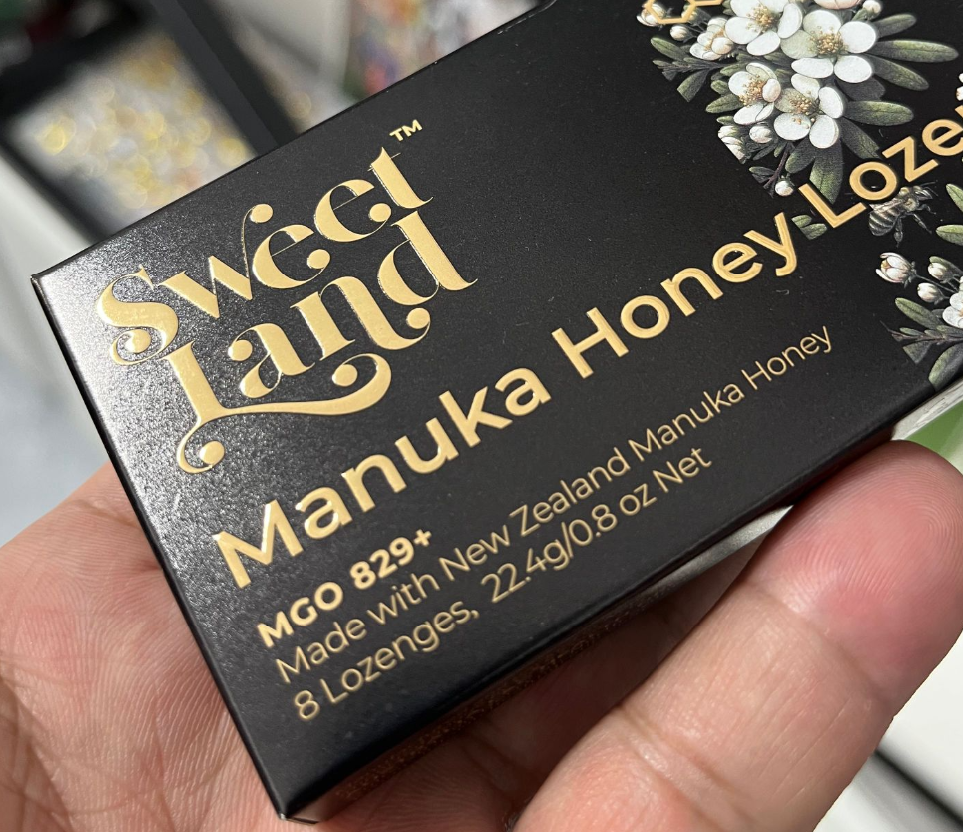
Despite both being stamping processes, hot and cold stamping differ significantly in working principles, results, and costs.
Principle: Requires a custom-made metal or silicone die. The die is heated (typically to 100-150°C/212-302°F) and pressed against a metallic foil. The heat activates an adhesive layer on the foil, transferring the metallic layer onto the substrate (paper, plastic, etc.).
Advantages:
Strong Adhesion: The melted adhesive creates a durable bond that is resistant to scratching and peeling.
Distinct Tactile Feel: Produces a noticeable raised, debossed, or textured effect with sharp, clear edges.
Wide Substrate Range: Works well not only on paper but also on fabrics, leather, and rigid plastics.
Durable: The finished product is more resistant to wear and tear than cold stamping.
Disadvantages:
Higher Cost: Requires expensive custom dies. Energy consumption is higher, and setup/changeover times are slower, making it less ideal for small batches or frequent design changes.
Slower Speed: Production speeds are generally lower than cold stamping.
One-sentence summary: High quality, higher cost. Ideal for premium products demanding texture and durability.
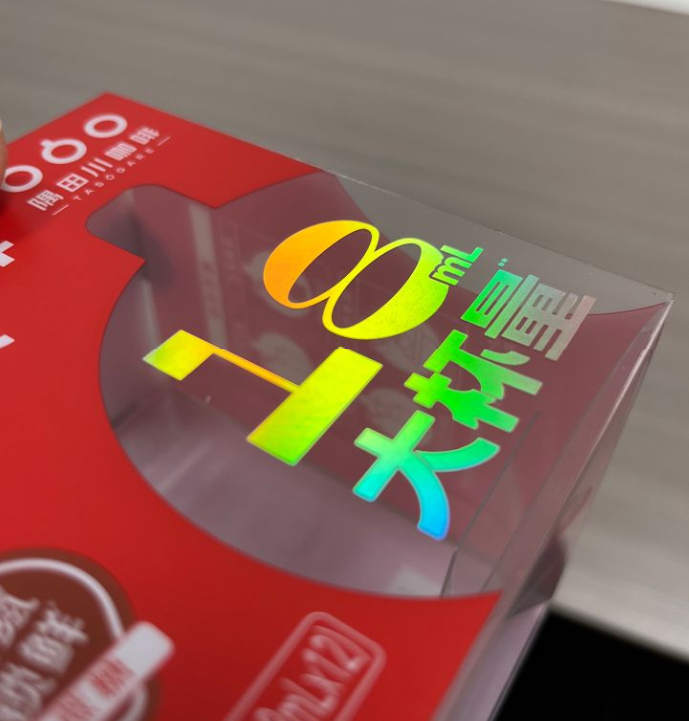
Principle: Requires no heat or special metal dies. It uses an offset or flexographic press to first apply a specific UV adhesive (ultraviolet-curable glue) onto the substrate in the desired pattern. The metallic foil is then pressed onto the wet adhesive. A UV lamp instantly cures (hardens) the glue, and the excess foil is peeled away, leaving metal only where the adhesive was printed.
Advantages:
High Speed, High Efficiency: Can be done in-line with regular printing at very high speeds (hundreds of meters per minute), perfect for large-volume jobs.
Lower Cost: No expensive metal dies are needed. It's especially cost-effective for fine lines, small text, and gradient effects.
High Precision: Capable of producing extremely fine details, small text, and even gradient dot patterns that are very difficult or impossible with hot stamping.
Disadvantages:
Weaker Adhesion: Since there is no heat fusion, the bond is essentially just glue. It can be scratched or peeled off more easily, especially after lamination or aqueous coating.
No Tactile Texture: The stamped surface is completely flat to the touch, lacking the raised or debossed feel of hot stamping.
Limitations in Post-Press Processing: Cold-stamped areas are more brittle and are not suitable for subsequent die-cutting or creasing, as the foil may crack.
One-sentence summary: High efficiency, lower cost. Ideal for large-volume, highly detailed prints, but lacks texture and ultimate durability.
| Feature | Hot Stamping | Cold Stamping |
|---|---|---|
| Die/Tool | Required (Metal or Silicone) | Not required (uses printing plate for adhesive) |
| Heat Required | Yes (100-150°C) | No |
| Tactile Feel | Noticeable raised texture | Almost completely flat |
| Adhesion / Durability | Strong, durable | Weaker, prone to scratching |
| Precision (Detail) | Moderate (limit ~0.2mm lines) | Very high (ultra-fine lines, gradients) |
| Production Speed | Slower | Very fast (in-line printing) |
| Cost | Higher (suitable for medium/long runs) | Lower (suitable for large volumes) |
| Common Applications | Luxury gift boxes, hardcover books, leather logos | Cigarette packs, wine labels, sticker labels, greeting cards |
In practice, your choice should be guided by your specific needs:
For high-end gift boxes, liquor boxes, or hardcover books where you want a luxurious feel and durability, and budget allows → Choose Hot Stamping.
For self-adhesive labels, high-volume greeting cards, or flyers with very fine details or gradients, where budget and speed are priorities → Choose Cold Stamping.
For a rainbow laser effect with strong adhesion, laser foils are typically better suited for hot stamping, as the heat better activates the film's reflective properties and ensures a stronger bond.
For stamping onto rough materials like kraft paper, fabrics, or rigid PVC plastics, hot stamping is usually the reliable choice.
Final Conclusion:
Gold, silver, and laser silver describe the "visual skin" (the aesthetic effect), while hot and cold stamping define the "structural skeleton" (the technical process). By understanding this distinction, you can accurately select the optimal stamping solution based on your product's positioning, budget, volume, and desired tactile quality.