Industry updates & technical guides about clear plastic boxes and UV printing. Learn packaging produ
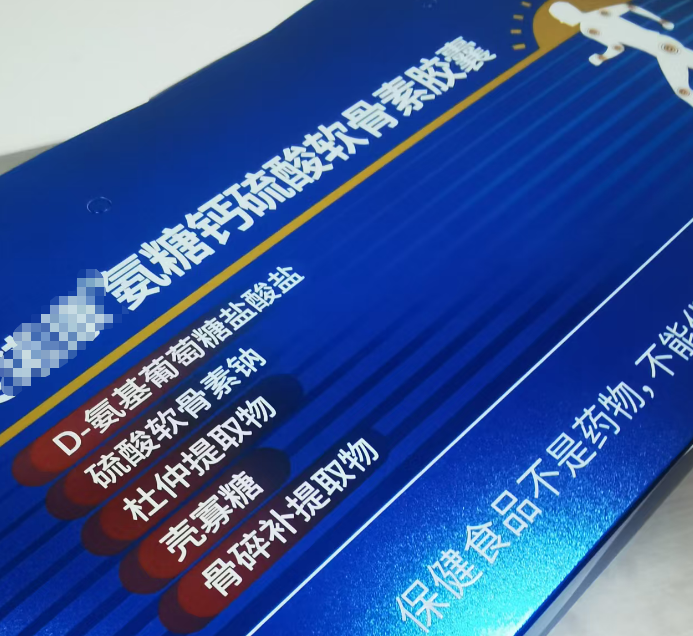
In the fields of packaging printing, book binding, and brand paper product manufacturing, a premium texture is widely seen: most areas on the paper surface present a delicate and low-key matte frosted finish, while key areas such as logos, texts, and core patterns feature a transparent and bright mirror gloss. The matte and high-gloss effects connect seamlessly with striking contrast and layered texture. The core process that creates this exquisite effect isReverse UV, also known as reverse varnishing in the printing industry. It is one of the mainstream special processes for high-end printing and packaging nowadays.
I. Core Definition of Reverse UV
Reverse UV is a differentiated surface varnishing process based on UV curing technology. Different from the forward construction logic of traditional partial UV, it adopts the reverse working principle of "applying base varnish locally, full-surface UV coating, and forming textures through repulsion". Leveraging the chemical repulsion between special reverse base varnish and UV top varnish, it forms two completely different texture areas (matte frosted and high-gloss mirror) on a single printed surface in one curing process, without repeated overprinting or lamination, balancing excellent appearance and practicality.
To put it simply, the traditional process follows the rule of "applying varnish only where high gloss is needed", while Reverse UV adheres to "applying base varnish where matte finish is needed, then covering the entire surface with UV varnish" — this is where the name "reverse" derives from.
II. Working Principle of Reverse UV
The core principle of Reverse UV lies in the chemical repulsion reaction between base varnish and UV top varnish, combined with UV ultraviolet curing technology to realize texture zoning, featuring a simple principle and precise controllability.
After the base graphics are printed and fully dried and cured, a layer of transparent special reverse base varnish (matte inhibitor) is printed on areas that require a matte frosted effect. Then, a transparent high-gloss UV varnish is evenly coated over the entire surface of the product. A differentiated reaction occurs subsequently: the areas covered with reverse base varnish will repel and block the UV top varnish, preventing the varnish from adhering and spreading evenly, thus forming a delicate uneven frosted matte texture after curing. In contrast, areas without base varnish allow the UV varnish to spread and cure fully and evenly, creating a smooth and transparent mirror-like high-gloss effect.
Finally, the UV varnish is rapidly cured by UV ultraviolet light, forming a distinct contrast between high-gloss bright areas and matte frosted areas on the same surface. No secondary manual processing is required, with neat pattern edges and no haloing, ensuring extremely high precision. Meanwhile, the thickness of the frosted texture and shade of color can be flexibly adjusted by fine-tuning the dosage of base varnish and dot size, creating diverse visual textures.
III. Standard Process Flow of Reverse UV
With standardized procedures and mature techniques, Reverse UV is compatible with various printing methods including offset printing and digital printing. The standardized construction steps are as follows:
Base Printing and Curing: Complete basic graphic production such as four-color printing and spot color printing, then leave the product to stand until the ink is fully dried and cured to avoid color mixing and wrinkling in subsequent processes.
Local Reverse Base Varnish Coating: Accurately position the areas requiring a matte frosted effect according to design requirements, and apply a uniform layer of transparent special reverse base varnish via inline or offline offset printing.
Full-Surface UV Varnish Coating: After the base varnish dries completely, coat the entire surface of the printed product with high-gloss UV varnish to ensure a uniform and full coverage without omissions.
UV Curing and Forming: Irradiate the surface with UV ultraviolet light to trigger a rapid curing reaction of the UV varnish. The texture difference formed by repulsion creates a finished product with layered matte and high-gloss effects.
IV. Reverse UV vs Traditional Partial UV (Core Differences)
Reverse UV is often confused with ordinary partial UV due to their similar visual effects, but the two differ greatly in process logic, finished texture and printing precision. The specific differences are as follows:
1. Different Process Logic
Traditional Partial UV: Forward construction, applying varnish directly on local logos and patterns that require high gloss, with the remaining areas retaining the original matte paper texture.
Reverse UV: Reverse construction, applying matte base varnish on designated areas and covering the whole surface with high-gloss UV varnish to highlight high-gloss areas inversely.
2. Different Finished Texture
Partial UV: The edges of high-gloss areas are prone to slight haloing and irregularities; the matte areas retain the original paper texture with weak light and shade contrast and ordinary layered sense.
Reverse UV: Features extremely sharp edge lines without blurring or burrs. The matte areas have an even and delicate frosted texture, while the high-gloss areas present a transparent mirror effect, delivering strong light and shade contrast and a premium three-dimensional sense.
3. Different Printing Precision
Partial UV: Works well for large-area patterns but suffers from blurring and misalignment on tiny texts and thin lines, with limited precision.
Reverse UV: Adopts precise offset overprinting, perfectly adapting to ultra-fine lines, tiny texts and complex gradient patterns with high overprinting accuracy and excellent detail performance.
4. Different Wear Resistance and Durability
Partial UV: Varnish is only applied locally, leading to easy wear and peeling at the junction of coatings with average durability.
Reverse UV: The whole surface is covered with a protective UV varnish layer with stronger overall adhesion. The finished product is waterproof, scratch-resistant and friction-resistant, effectively preventing fading and damage.
V. Core Advantages of Reverse UV
1. Premium Visual Effect and Outstanding Texture
The low-key and steady matte frosted texture collides with the exquisite and bright high-gloss mirror effect, creating a strong layered visual impact. It perfectly meets the design needs of high-end products and greatly enhances product grade and brand recognition.
2. Ultra-High Precision and Exquisite Detail Performance
Supported by mature offset overprinting technology, it realizes precise texture zoning for tiny texts, fine lines and complex patterns without misalignment or haloing, making it the preferred process for high-precision fine printing.
3. Superior Performance and High Practicality
Formed by full-surface UV curing without lamination, the printed surface is scratch-proof, waterproof, stain-resistant and fade-proof with a longer service life. It avoids the heavy plastic texture caused by lamination and retains the original texture of paper.
4. High Process Efficiency and Cost Performance
It takes only one-time coating and one-time curing to complete forming, eliminating repeated overprinting and secondary processing. The simplified process ensures high efficiency and stable mass production. It delivers higher cost performance than special processes such as hot stamping and embossing.
VI. Main Application Scenarios of Reverse UV
With its advantages of high appearance, high precision and high durability, Reverse UV is widely used in various mid-to-high-end paper printing fields:
High-End Packaging: Cosmetic gift boxes, tobacco and wine packaging boxes, health product gift boxes, light luxury product outer packaging, electronic product packaging boxes;
Books and Cultural Creatives: Hardcover book covers, picture albums, posters, postcards, cultural and creative paper products;
Business Paper Products: High-end business cards, greeting cards, invitations, paper handbags, corporate brochures;
Labels and Stickers: High-end product self-adhesive labels, anti-counterfeiting labels, daily chemical product stickers and more.
VII. Summary
Reverse UV is not a niche and complex process, but a mature high-end printing technology that creates ultimate texture with reverse thinking. It breaks the limitations of traditional partial varnishing, realizes the perfect integration of matte and high-gloss effects through simple repulsion principles, and solves the problems of low precision and ordinary texture of conventional UV processes while balancing appearance, details and practicality. Today, it has become a standard process for high-end packaging and fine printing, and a core symbol that distinguishes ordinary printing from high-quality fine printing.