Industry updates & technical guides about clear plastic boxes and UV printing. Learn packaging produ
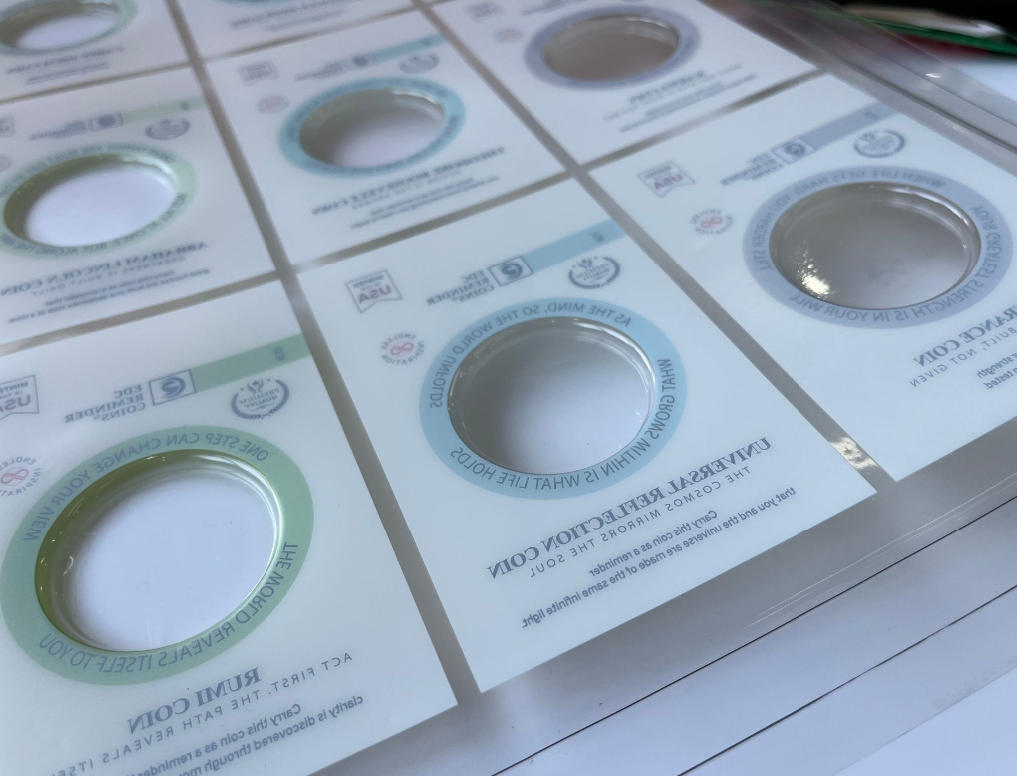
Printed positioning blister packaging is widely used in electronics, cosmetics, toys and other industries. Its core production pain point is matching flat printed patterns with the 3D stretching deformation of blister forming. Process control and ink selection directly determine the finished product yield and appearance accuracy.

The core process difficulties cover four key stages. In the design and plate-making stage, reverse pre-deformation compensation must be performed on printed patterns according to different stretching rates of blister depths to prevent pattern distortion. Stable photoelectric positioning marks shall be set on non-stretching material edges to avoid positioning failure. In the printing stage, the internal stress of sheets must be strictly controlled through low-tension printing and static curing to reduce shrinkage deviation. Flat sheets without warping are required.
The forming stage is the most critical. The equipment photoelectric alignment system needs to stably identify targets with zoned uniform heating to avoid local deformation caused by uneven heating. Optimize mold exhaust and fillets for deep cavities and sharp corners to reduce stretching deviation. The post-cutting process requires unified benchmarks for printing, forming and cutting to prevent dimensional deviation.
Ink selection is crucial for blister quality. Ordinary printing inks cannot adapt to high-temperature stretching. Special flexible blister inks with excellent stretchability are required to avoid cracking. The ink must withstand 140-170℃ without foaming, bleeding or discoloration, ensuring stable mark identification. It shall be compatible with PET, PVC and PP substrates and maintain strong adhesion after forming and cooling.
In production, ink layers should be thin to reduce cracking risks. Sufficient drying eliminates solvent residue and high-temperature foaming. UV ink over-curing should be avoided to retain flexibility. Simulated blister tests are mandatory before mass production to eliminate common defects and ensure batch stability.